
Moving house is the perfect time to lighten your load—but only if you sort through what you actually want to take with you first. This guide walks you through deciding what stays, what goes, and how to prepare your junk for collection so the move runs smoothly and costs less than moving everything.
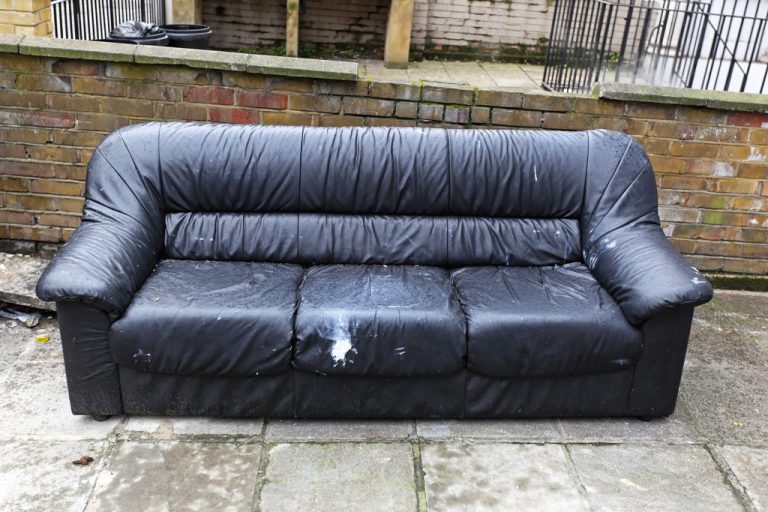
Start by deciding what you really want to move
Before you pack a single box, walk through your home and be honest about what deserves space in your new place. Moving everything costs more than moving less, and you’ll thank yourself for not hauling items you don’t use or love to a new address.
Ask yourself: Do I actually use this? Does it fit my new home? Would I want to keep this? If the answer is no, it’s a candidate for going. This is especially true for furniture, kitchen gear, and decor that’s been sitting unused for a long time. The less you move, the simpler and more affordable the whole process becomes.
Don’t fall into the trap of moving something just because it’s there. Every item that doesn’t make the cut is one less thing to pack, transport, and find space for in your new home.
Sort items by condition: keep, donate, or discard
Once you’ve decided what’s leaving, separate everything into three clear groups:
- Usable furniture and appliances in good working order that you want to move with you
- Worn-out, broken, or damaged items that aren’t worth moving but might be rehomed or recycled
- Genuine rubbish: broken glass, old paint tins, damaged cardboard, and items beyond repair
This sorting makes the next step much easier and gives you a clear picture of what needs to be collected versus what you’re taking with you. Items in the second and third groups are the ones that need to go, and grouping them this way helps you see the full scope of what needs removing.
Be realistic about condition. A sofa with torn fabric or a fridge that doesn’t run reliably isn’t worth the cost and effort of moving. Better to start fresh in your new home.
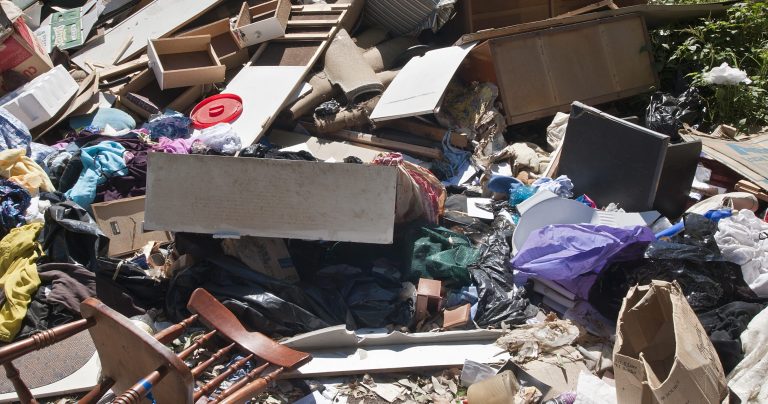
Group bulky items and small junk in one place
Gather all your bulky items—old sofas, mattresses, whiteware, and large furniture—in one spot, ideally near your driveway or a collection point. Doing this saves time and makes it straightforward for a crew to load everything in one go without hunting through your house or garden.
Separately, collect boxes and bags of small household junk, broken items, and miscellaneous clutter in another area. Keep these grouped together rather than scattered through different rooms or sheds. The more organised you are, the faster the collection can happen and the less disruption to your moving day.
If you have items stored in multiple locations—garage, shed, under the house—bring them together in one central spot if possible. This makes the job clearer and quicker for everyone involved.
Set aside anything you’re unsure about
If you’re not sure whether an item is worth moving or if it’s safe to transport, set it aside and ask when the crew arrives. They can often advise on what’s practical to move and what’s better left behind. Don’t waste time second-guessing yourself before the move—get expert eyes on it when they’re there.
If you have items you think might be hazardous or restricted, call ahead to discuss them rather than assuming they can or cannot be taken. It’s better to check than to be caught off guard on the day.
Clear a safe route to your collection point
Before anyone arrives, make sure there’s a clear, safe path from your storage areas to the driveway or collection point. Remove obstacles, close doors that might swing into the way, and move any parked cars if needed. A clear route means the crew can work efficiently without stopping to move things out of the way, and it keeps everyone safe.
If you’re in a tight-access section, apartment, or have a narrow driveway, let the crew know in advance so they can plan the best approach. The more space you can clear and the easier you make access, the smoother the collection will be and the faster they can get the job done.
Think about where the collection vehicle will park and how items will be moved from your home to the truck. A bit of planning here saves hassle on the day.
Need something removed?
Send us a few photos of what needs to go and we will give you a free quote. See our household junk removal page for more on this kind of job. Small jobs start from $59. You can request a quote online or call 0800 386 763 (Monday to Saturday, 7am to 6pm).